Greenville County moves to ask voters a third time for a penny road tax
County Council advanced a 1 percent transportation sales tax for the November ballot, after voters rejected similar taxes in 2014 and 2024.
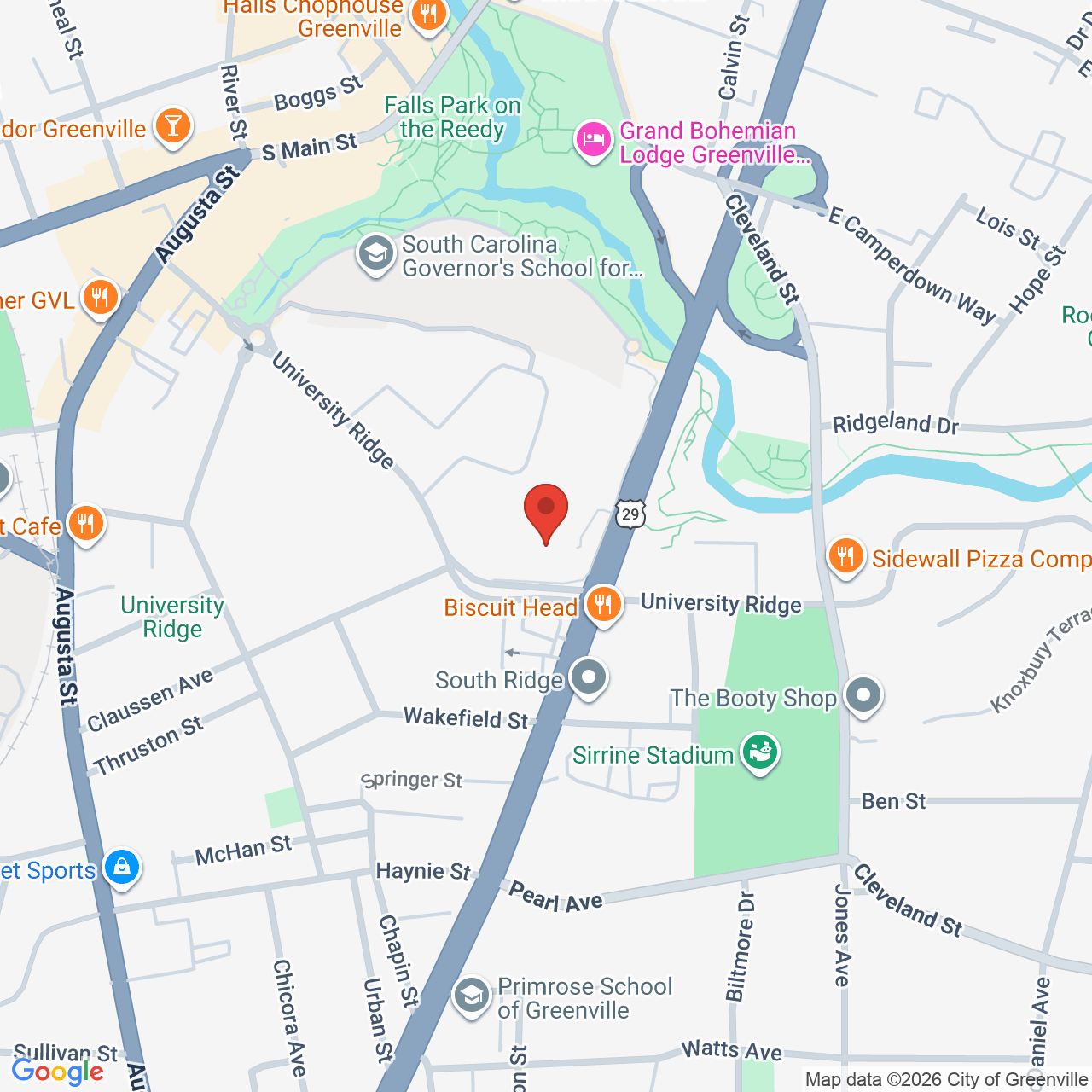
Map data © Google.
Voters in Greenville County have already said no to a penny road tax twice, in 2014 and again in 2024. On June 17, Greenville County Council voted to ask a third time. The council advanced an ordinance that would put a 1 percent transportation sales tax on the November 2026 ballot, with a final reading set for July 7.
What happened
A 1 percent sales tax means one extra cent on every taxable dollar you spend. The county projects this one would raise about $1.1 billion. The money would be split three ways. Ninety percent goes to road projects, 7 percent goes to the Greenville Land Trust for land preservation, and 3 percent goes to transportation including the Greenlink bus system. Reporting says the tax would last no more than eight years and, if voters approve it, would take effect May 1, 2027.
The same meeting gave final approval to the county's budget for fiscal year 2026-2027, which runs from roughly $473.9 million to $475 million depending on the source. That budget took effect July 1 and includes a 4 percent raise for county employees and about $27 million for road maintenance.
The road need is not in dispute. County staff estimate that 60 percent of area roads are in fair or poor condition, and that repaving alone would cost about $2 billion. Some council members want a grocery exemption, but it has not been written into the proposed ordinance yet.
What most people think
The plain read, and the one the history supports, is that this is a hard sell that looks a lot like what voters already turned down. The 2024 penny tax lost 51.5 percent to 48.5 percent, 126,293 votes to 118,948. The 2014 version lost by roughly two to one. Skeptical voters and anyone reading those tallies can see the land preservation slice and the transit slice as sweeteners stapled onto the same core idea. Local coverage notes that passage is not assumed.
The other side
A council member or a yes campaign would argue the change is substantive, not cosmetic. The 2024 margin was only about 7,000 votes out of more than 245,000 cast. A measure that funds roads, preserves land that homeowners and developers both value, and gives Greenlink riders a dedicated slice can build a broader coalition than a roads-only ask. The eight-year cap sits far below the state's 25-year limit, which answers the "tax forever" fear. A grocery exemption, if written in, would blunt the fairness objection. A 3-point gap is the kind of margin turnout and coalition-building can realistically close.
What would settle it
Watch two things. First, whether the final July 7 ordinance actually includes the grocery exemption. Second, the project list, which does not yet exist for this version. Once voters can see which corridors and neighborhoods get funded, support will firm up or splinter along local lines. The November result is the final test.
If you voted no in 2024, would adding land preservation, a transit slice, and an eight-year cap change your vote, or do you want to see the project list and a grocery exemption first? Reply and tell me.
Sources: Post and Courier, Fox Carolina, and Greenville Journal.
Information only, not financial advice.
Get the next one in your inbox.
I send free, step-by-step walkthroughs on putting Claude to work in real estate. The listings, the market research, the deal analysis, and the follow-up, shown plainly so you can do them yourself.
Prefer Substack? Subscribe there instead.